ESG governance is the critical backbone of any credible sustainability strategy, transforming abstract environmental, social, and governance principles into actionable, accountable, and transparent business practices. It is the system of leadership, controls, policies, and



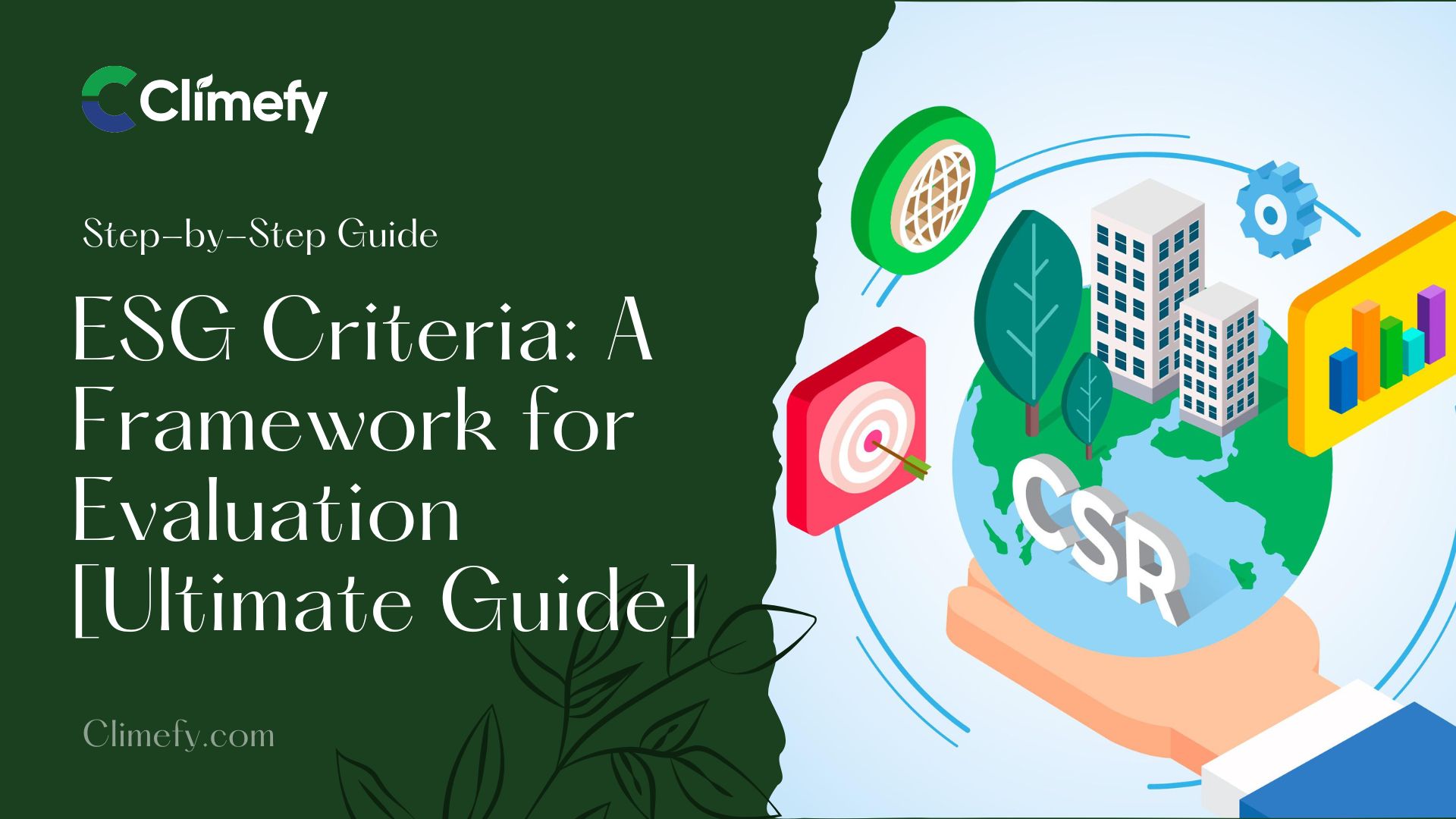
ESG criteria have emerged as the definitive framework for evaluating a company’s sustainability, ethical impact, and long-term resilience, moving beyond pure financial metrics to assess holistic value. This comprehensive guide deconstructs the environmental, social,

ESG represents a transformative framework for evaluating a company's resilience, ethical impact, and long-term viability based on its performance in three critical areas: Environmental, Social, and Governance. This comprehensive guide will demystify the core

Understanding the ESG meaning is no longer a niche interest for large corporations but a fundamental business imperative for organizations of all sizes. ESG, which stands for Environmental, Social, and Governance, represents a holistic framework
The future of finance is being fundamentally reshaped by the rapid and pervasive integration of Environmental, Social, and Governance (ESG) criteria into investment strategies. This transformative movement is moving beyond a niche interest
Environmental, Social, and Governance (ESG) considerations are no longer a niche concern or a voluntary ethical choice for the banking sector; they have rapidly evolved into a core component of global financial regulation