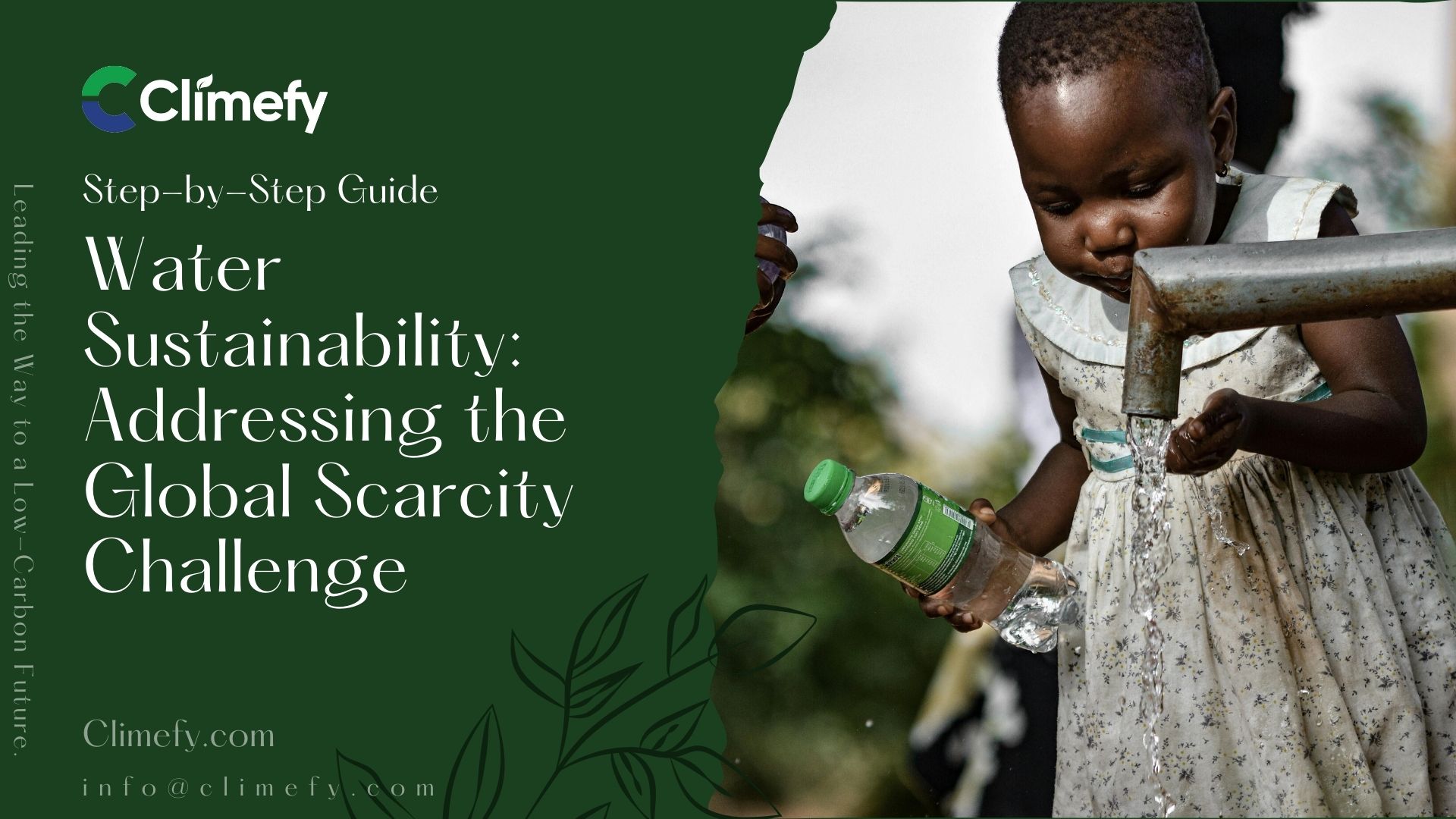
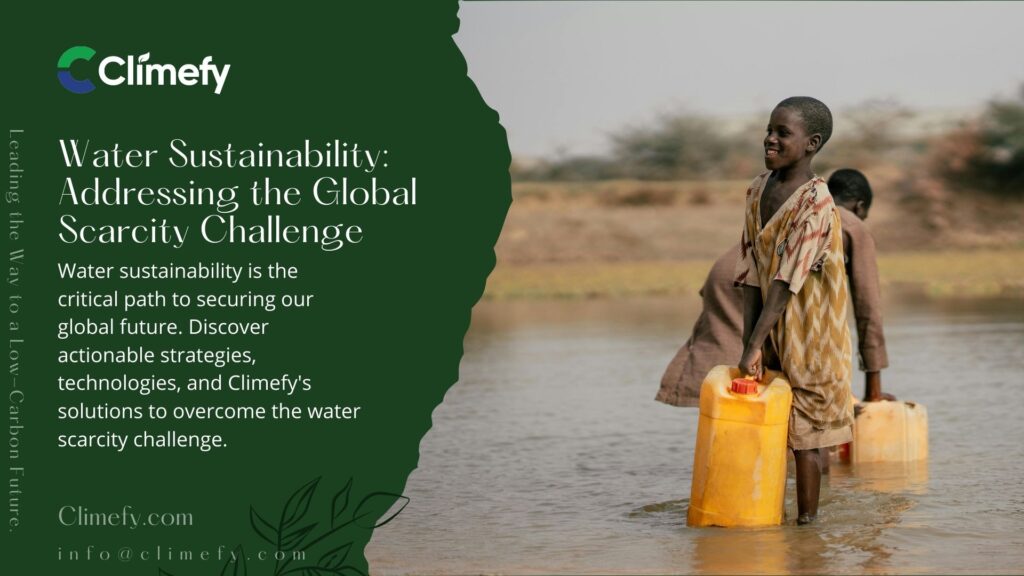
Water Sustainability: Addressing the Global Scarcity Challenge
Water Sustainability: Addressing the Global Scarcity Challenge
Water sustainability is the foundational practice of managing our planet’s most vital resource to meet the needs of the present without compromising the ability of future generations to meet their own needs. It represents a complex, urgent global challenge that intersects with climate change, population growth, economic development, and ecosystem health. This comprehensive guide delves into the multifaceted crisis of water scarcity, exploring its root causes, far-reaching consequences, and the innovative solutions and systemic changes required to build a water-secure world for all. Achieving water sustainability is not merely an environmental goal but a prerequisite for social stability, economic prosperity, and planetary health.
In this definitive guide, you will learn:
The Stark Reality: Defining the Global Water Crisis and Scarcity
Root Causes: Why Are We Facing a Water Scarcity Challenge?
Ripple Effects: What Are the Impacts of Water Insecurity?
Pillars of Solution: How Can We Achieve Water Sustainability?
Technology and Innovation: What Tools Are Available for Water Stewardship?
Policy and Governance: What Frameworks Drive Sustainable Water Management?
The Corporate Imperative: How Businesses Can Lead in Water Stewardship
Climefy’s Integrated Approach: Linking Water, Carbon, and Holistic Sustainability
Your Role: Individual Actions for a Water-Wise Future
What Is the Global Water Crisis and How Do We Define Water Scarcity?
The global water crisis refers to the growing imbalance between the freshwater available to humanity and ecosystems and the escalating demand for it. It manifests not just as a physical lack of water but often as a crisis of access, management, and equity. To understand it, we must define key terms. Water scarcity occurs when the demand for water exceeds the available amount during a certain period or when poor quality restricts its use. It is typically categorized into two types:
Physical Water Scarcity: This occurs when natural water resources are inadequate to meet a region’s demands, often seen in arid and semi-arid regions.
Economic Water Scarcity: This is caused by a lack of investment in water infrastructure or poor human capacity to manage water resources, meaning water is physically present but not accessible. This affects millions globally who lack basic water services.
A central concept in water sustainability is water stress, which measures the total freshwater withdrawals (for agricultural, industrial, and domestic use) as a percentage of the total renewable freshwater resources. High water stress indicates intense competition for limited water.
Established Facts About the Global Water Situation:
✔ The United Nations reports that 2.2 billion people still lack access to safely managed drinking water services. ✔ Nearly half the world’s population experiences severe water scarcity for at least part of the year. ✔ Only about 0.5% of the Earth’s water is readily available freshwater found in lakes, rivers, and aquifers. ✔ Global water demand is projected to increase by 20-30% by 2050, driven by industry, energy, and domestic use.
The crisis is exacerbated by the hydrologic cycle being dramatically altered by climate change, leading to more intense floods, prolonged droughts, and the pollution of existing water resources. Understanding these definitions and scales is the first step toward addressing the challenge of water security.
Why Are We Facing a Global Water Scarcity Challenge? The Root Causes Explained
The drivers of global water scarcity are interconnected, creating a perfect storm that threatens water availability worldwide. These are not isolated issues but a synergistic web of pressures.
Climate Change and Altered Weather Patterns: Climate change is the ultimate threat multiplier for water security. It intensifies the hydrologic cycle, leading to:
More severe and frequent droughts that deplete surface water and groundwater reserves.
Increased evaporation rates from soil and water bodies.
Changing precipitation patterns, reducing reliable rainfall in some key agricultural regions.
Glacial melt, which threatens long-term river flows for billions downstream.
Population Growth and Urbanization: A growing global population directly increases demand for water for drinking, sanitation, and food production. Rapid urbanization concentrates demand in small geographic areas, overwhelming local water supply systems and infrastructure, often leading to over-extraction of local aquifers.
Agricultural Water Use and Inefficiencies: Agriculture is the largest consumer of freshwater globally, accounting for approximately 70% of all withdrawals. Inefficient irrigation methods like flood irrigation lead to massive water waste. The demand for water-intensive crops and diets further strains resources.
Industrial and Energy Demand: Manufacturing, mining, and energy production (especially thermoelectric power and hydropower) are major water users. The rise of water-intensive industries and the global push for biofuels add significant pressure on local water resources.
Pollution and Water Quality Degradation:Water pollution from industrial discharge, agricultural runoff (pesticides and fertilizers), and inadequate wastewater treatment renders vast quantities of water unusable for human consumption or ecosystems, effectively reducing the total available clean supply. This is a key aspect of water quality management.
Poor Water Governance and Infrastructure: In many regions, water management is fragmented, underfunded, or plagued by unsustainable policies like subsidizing water for agriculture. Aging, leaky infrastructure leads to significant non-revenue water losses, sometimes exceeding 30-40% of the total supply.
What Are the Impacts of Water Insecurity on Society and the Planet?
The consequences of failing to achieve water sustainability are catastrophic and multi-dimensional, affecting every aspect of life on Earth.
Environmental and Ecological Impacts:
✔ Ecosystem Collapse: Depletion of rivers, lakes, and wetlands destroys habitats, leading to loss of biodiversity. Watershed management failures accelerate this decline. ✔ Land Degradation and Desertification: Lack of water leads to soil salinization and loss of arable land, reducing the land’s natural productivity and carbon sequestration capacity. ✔ Water Pollution Concentration: Lower water flows reduce the dilution of pollutants, leading to toxic algal blooms and eutrophication in water bodies.
Social and Humanitarian Impacts:
✔ Health Crises: Lack of access to safe drinking water and sanitation is a primary cause of diseases like cholera, typhoid, and diarrhea, claiming hundreds of thousands of lives annually, particularly children. ✔ Food Insecurity: Agriculture is impossible without water. Water scarcity directly threatens food security, leading to higher prices, malnutrition, and famine. ✔ Gender Inequality: In many developing regions, women and girls bear the primary responsibility for water collection, spending hours each day fetching water, which limits their opportunities for education and economic participation. ✔ Conflict and Migration: Competition for dwindling water resources can exacerbate tensions between communities, regions, and even nations, leading to social unrest. It is also a key driver of climate migration.
Economic Impacts:
✔ Stunted Economic Growth: Industries from agriculture to manufacturing to tourism rely on predictable water access. Scarcity halts production, disrupts supply chains, and deters investment. ✔ Energy Production Disruption: Thermoelectric power plants and hydropower dams require vast amounts of water. Droughts can force shutdowns, leading to energy shortages. ✔ Increased Costs: Treating heavily polluted water or developing new, distant water sources (like desalination) is exponentially more expensive than protecting existing resources.
How Can We Achieve Water Sustainability? Core Strategies and Solutions
Addressing the water scarcity challenge requires a holistic, integrated approach known as Integrated Water Resources Management (IWRM). This framework promotes the coordinated development and management of water, land, and related resources to maximize economic and social welfare without compromising ecosystem sustainability. Key pillars include:
1. Enhancing Water Use Efficiency and Conservation: This is the “first fuel” of water sustainability—using less to do more.
Agricultural Sector: Shift from flood irrigation to drip irrigation and sprinkler systems. Adopt soil moisture sensors and precision agriculture. Promote drought-resistant crop varieties.
Urban and Domestic Sector: Implement water-saving fixtures (low-flow toilets, showerheads), fix leaks promptly, and promote public conservation campaigns. Xeriscaping (landscaping with drought-tolerant plants) reduces outdoor water use.
Industrial Sector: Implement water recycling and closed-loop systems to reuse water within processes. Conduct water audits to identify waste.
2. Protecting and Restoring Natural Water Systems: Healthy ecosystems are our best water infrastructure.
Watershed Protection: Safeguarding forests, wetlands, and grasslands in catchment areas improves water infiltration, reduces erosion, and ensures cleaner, more consistent flows—a core tenet of nature-based solutions.
Riparian Buffer Zones: Planting vegetation along rivers and streams filters pollutants, stabilizes banks, and provides habitat.
Wetland Restoration: Wetlands act as natural water filters and sponges, absorbing floodwaters and releasing them during dry periods.
3. Improving Water Governance and Infrastructure:
Smart Water Pricing: Implementing tariffs that reflect water’s true value encourages conservation while funding system maintenance.
Investing in Infrastructure: Upgrading aging pipes to reduce leaks (non-revenue water) and expanding access to sanitation and wastewater treatment plants.
Transboundary Water Cooperation: For shared river basins, robust legal and institutional frameworks for cooperation are essential to prevent conflict and ensure equitable sharing.
4. Expanding and Diversifying Water Supply:
Wastewater Treatment and Reuse: Treating wastewater to a high standard for water reuse in irrigation, industrial processes, or even indirect potable use (potable reuse) is critical. This transforms waste into a resource.
Rainwater Harvesting: Capturing and storing rainwater for domestic or agricultural use provides a decentralized, resilient supply.
Desalination: While energy-intensive, advancements in reverse osmosis and the use of renewable energy are making desalination a more viable option for coastal cities.
What Technological Innovations Are Revolutionizing Water Management?
Technology is a powerful enabler for water sustainability. Key innovations include:
✔ Smart Metering and IoT Sensors: Provide real-time data on water use and pressure, instantly detecting leaks and enabling dynamic pricing models. ✔ Advanced Water Treatment: Innovations like membrane filtration, electrocoagulation, and advanced oxidation processes allow for more efficient removal of contaminants, including microplastics and pharmaceutical residues. ✔ Remote Sensing and Data Analytics: Satellite imagery and AI can monitor reservoir levels, soil moisture, crop health, and predict droughts, enabling proactive water resource management. ✔ Atmospheric Water Generation: Technology that extracts water from humid air, offering potential for decentralized supply in humid regions.
How Do Policy and Governance Frameworks Drive Sustainable Water Management?
Effective governance is the backbone of water security. Essential frameworks include:
The Human Right to Water and Sanitation: Recognized by the UN, this principle obligates governments to work towards ensuring all people have access to sufficient, safe, acceptable, physically accessible, and affordable water.
Sustainable Development Goal 6 (SDG 6): A UN goal dedicated to ensuring availability and sustainable management of water and sanitation for all by 2030, with specific targets on water quality, wastewater treatment, water-use efficiency, and IWRM.
National Water Policies: Effective policies establish clear allocation priorities, pollution controls, and conservation incentives. They must be integrated with climate adaptation plans.
What Is the Corporate Role in Water Stewardship and Sustainability?
Businesses are major water users and have a critical responsibility and opportunity to lead. Corporate water stewardship moves beyond mere efficiency to encompass sustainable shared water governance in the basins where they operate. Key actions include:
Conducting Water Risk Assessments: Using tools like the WWF Water Risk Filter to understand physical, regulatory, and reputational risks.
Setting Science-Based Targets: Aligning reduction goals with local basin sustainability contexts, as guided by the Science Based Targets Network (SBTN).
Investing in Watershed Health: Partnering with local communities and NGOs on projects that restore the catchment areas they depend on.
Transparent Disclosure: Reporting on water performance through frameworks like CDP Water Security.
For companies looking to integrate comprehensive environmental action, water stewardship is intrinsically linked to their carbon footprint and broader ESG (Environmental, Social, and Governance) goals. A holistic sustainability strategy addresses both. Platforms like Climefy provide the tools to bridge this gap, offering services from ESG Consultancy to carbon offset issuance for projects that often deliver co-benefits for water security, such as afforestation and plantation initiatives that protect watersheds.
How Does Climefy Integrate Water Sustainability into Holistic Climate Action?
At Climefy, we understand that the crises of climate and water are inextricably linked. Our mission is to provide integrated solutions that address environmental challenges holistically. We recognize that actions to mitigate climate change can and must also enhance water security.
Linking Carbon and Water Projects: Many high-impact nature-based projects in our Marketplace for GHG reduction projects deliver significant water co-benefits. For instance, afforestation and plantation projects not only sequester carbon but also restore soil health, enhance water infiltration, and regulate local water cycles. Supporting such projects through our Climefy Verified Carbon Standard allows organizations to contribute to both carbon neutrality and watershed health.
Comprehensive Footprint Management: Our advanced carbon footprint calculators—for Individuals, Small & Medium Companies, and Large Organizations—help entities understand their full environmental impact, which is the first step toward responsible management that includes water stewardship considerations.
Digital Tools for Engagement: Our Digital Integration Solutions allow businesses to embed sustainability into their customer and operational journeys, potentially highlighting water-saving choices alongside carbon-neutral options.
Building Knowledge for Action: Through the Climefy Sustainability Academy, we educate professionals on the interconnectedness of sustainability issues, empowering them to develop strategies that tackle climate change and water scarcity in tandem.
End-to-End Solutions: From solid waste management projects that prevent water pollution to guiding companies on their Net Zero Journey with an integrated resource perspective, Climefy acts as your Eco-Friendly Partner in building a truly sustainable future.
What Can Individuals Do to Contribute to a Water-Secure Future?
Individual actions, when multiplied by millions, create transformative change. Here is a numbered list of impactful steps you can take:
Reduce Household Consumption: Install water-efficient fixtures, take shorter showers, turn off taps while brushing, and only run full loads in dishwashers and washing machines.
Mind Your Diet: Reduce food waste and consider shifting toward a diet with a lower water footprint, as meat and dairy production are typically very water-intensive.
Prevent Pollution: Dispose of chemicals, medicines, and fats properly—never down the drain. Use natural garden fertilizers and pesticides.
Support Sustainable Brands and Policies: Choose products from companies with strong water stewardship policies. Advocate for local and national policies that protect water resources.
Calculate and Offset Your Broader Impact: Understand your personal contribution to global challenges using tools like the carbon calculator for individuals. This awareness is the first step toward holistic action, which can include supporting verified projects that protect vital ecosystems.
Frequently Asked Questions – FAQs
What is the difference between water scarcity and water stress?
Water scarcity is a broader term describing the long-term lack of sufficient water resources. Water stress is a specific metric, usually expressed as a percentage, comparing total water withdrawals to renewable supply. High water stress is an indicator of scarcity conditions.
Can we actually run out of water on Earth?
While the planet’s total water volume is constant, the available freshwater for human use is limited and unevenly distributed. We cannot run out of water globally in a literal sense, but specific regions can and do exhaust their accessible freshwater supplies, making them uninhabitable without external sources.
Is desalination the ultimate solution to freshwater scarcity?
Desalination is a crucial tool, especially for coastal cities, but it is not a universal silver bullet. It is energy-intensive, can have negative marine environmental impacts from brine discharge, and is often costly. It should be part of a diversified portfolio that prioritizes efficiency, conservation, and reuse.
How does saving water also help fight climate change?
Treating and pumping water requires significant energy, which is often generated from fossil fuels. Using less water reduces energy demand and associated greenhouse gas emissions. Furthermore, protecting water-rich ecosystems like peatlands and forests preserves vital carbon sinks.
How can I ensure my donations or investments in water projects are effective?
Look for projects that are verified by reputable standards, involve local communities in planning and benefits, focus on long-term sustainability over just infrastructure installation, and have transparent monitoring and reporting. Platforms that rigorously vet projects, like Climefy’s Marketplace, provide assurance of impact and integrity.