
Sustainable gardening represents a holistic approach to cultivating green spaces that work in harmony with nature rather than against it. This comprehensive guide explores how gardeners can reduce their environmental impact while creating beautiful, productive landscapes that support biodiversity and store carbon. By adopting eco-friendly gardening methods, you contribute to climate change mitigation and create resilient gardens that thrive with minimal external inputs.
What you will learn from this guide:
Read More:
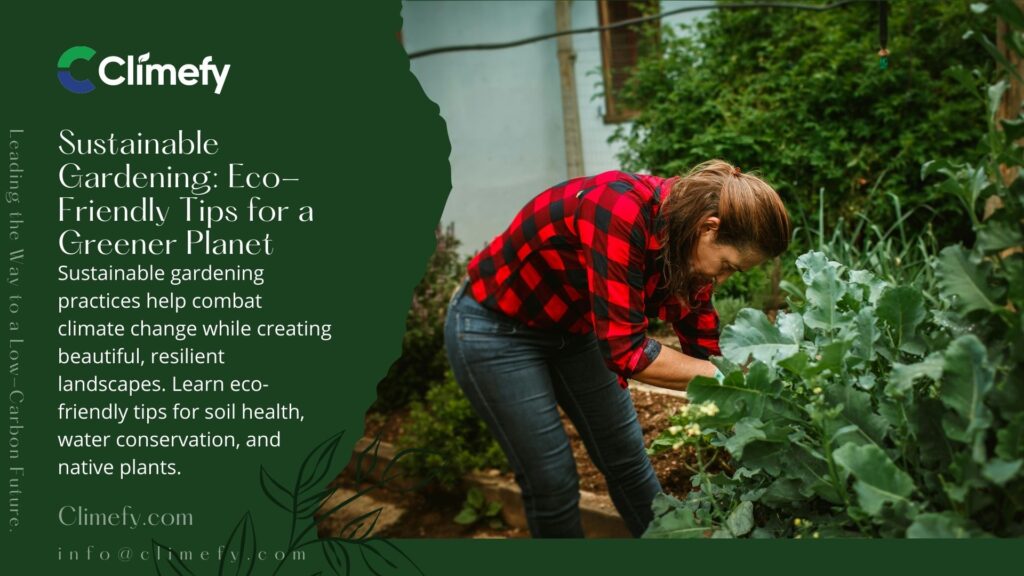
Sustainable gardening is an approach that creates self-reliant growing systems capable of lasting indefinitely without excessive external support. The goal is to work with natural processes rather than against them, minimizing resource consumption while maximizing ecological benefits.
Sustainable gardening encompasses practices that meet our present gardening needs without compromising the ability of future generations to meet theirs. This means conserving energy and water, reducing waste, and selecting plants that thrive in local conditions without requiring chemical interventions.
The importance of sustainable gardening extends far beyond individual garden boundaries. Gardens collectively can store significant amounts of carbon, support declining pollinator populations, reduce urban heat island effects, and decrease stormwater runoff that pollutes waterways. When practiced widely, these individual efforts create meaningful environmental impact.
Conventional gardening typically relies on external inputs such as synthetic fertilizers, chemical pesticides, and frequent watering to maintain plant health. Sustainable gardening takes the opposite approach, building healthy soil ecosystems that naturally support vigorous plant growth.
The fundamental difference lies in philosophy. Conventional methods often treat symptoms like pest outbreaks with chemical solutions, while sustainable practices address underlying causes by creating balanced ecosystems where pests rarely become problematic. Sustainable gardeners feed the soil, which in turn feeds the plants.
Gardens serve as powerful carbon sinks when managed sustainably. Plants absorb carbon dioxide through photosynthesis, storing carbon in their tissues and transferring significant amounts to the soil through root systems and symbiotic relationships with fungi.
Research demonstrates that UK gardens alone store an estimated 158 million tonnes of carbon, equivalent to mature native woodlands. This carbon storage potential makes every garden a climate action tool. By adopting sustainable practices, gardeners enhance this natural carbon sequestration capacity while reducing emissions associated with conventional gardening.
Home gardens reduce carbon footprints in multiple interconnected ways. Growing food locally eliminates transportation emissions, packaging waste, and the energy costs of commercial refrigeration. Composting garden and kitchen waste prevents methane production in landfills while creating free, nutrient-rich soil amendments.
The carbon footprint of gardening itself matters significantly. Gas-powered equipment, synthetic fertilizer production, and imported water all carry substantial carbon costs. Sustainable gardening addresses each of these factors through mindful choices about tools, materials, and water sources. Climefy’s carbon calculator for individuals can help you measure exactly how your gardening choices impact your personal carbon footprint.
Healthy soil forms the bedrock of any sustainable garden. Living soil teeming with microorganisms, fungi, and beneficial creatures provides plants with everything they need while storing carbon and filtering water.
Soil functions as a complex living ecosystem rather than an inert growing medium. One teaspoon of healthy soil contains more microorganisms than there are people on Earth, all working to decompose organic matter, cycle nutrients, and create soil structure.
These soil organisms perform essential services that gardeners would otherwise need to provide through inputs. They make minerals available to plants, suppress disease organisms, and create stable aggregates that resist erosion and hold moisture. When soil health declines, gardens become dependent on external fertilizers and amendments.
Garden soil possesses remarkable carbon storage capacity, with more carbon held in soil globally than in the atmosphere and all plant life combined. Well-managed garden soils continuously build organic matter, locking atmospheric carbon into stable forms that can persist for decades.
Each one percent increase in soil organic matter represents significant carbon sequestration. Practices like adding compost, leaving roots in the ground, and minimizing disturbance all contribute to building soil carbon. This makes soil building one of the most effective climate actions available to gardeners.
Composting transforms kitchen scraps and garden debris into valuable soil amendments while preventing methane emissions from landfills. The process mimics nature’s recycling system, where decomposers break down organic matter and return nutrients to the soil.
Creating successful compost requires balancing green materials rich in nitrogen with brown materials providing carbon. Green materials include fresh plant trimmings, vegetable scraps, and grass clippings. Brown materials encompass dried leaves, straw, and shredded paper. Proper moisture and aeration ensure rapid decomposition without unpleasant odors.
Hot composting requires active management to achieve internal temperatures high enough to kill weed seeds and pathogens. This method produces finished compost in weeks or months but demands regular turning and proper material balancing.
Cold composting involves simply piling materials and allowing nature to take its course over many months or years. This low-effort approach works well for gardeners with limited time but may not reach temperatures sufficient to kill all weed seeds. Both methods produce valuable compost; the choice depends on your goals and available time.
No-dig gardening recognizes that soil disturbance damages the delicate networks of fungi and organisms that maintain soil health. By leaving soil undisturbed, gardeners protect these essential relationships while reducing their workload.
The approach involves layering organic materials on top of soil rather than tilling them in. Worms and other soil life gradually incorporate these materials, creating healthy structure without disruption. Climefy’s Sustainability Academy offers courses covering no-dig methods and other regenerative gardening techniques.
Mycorrhizal fungi form symbiotic relationships with plant roots, extending far beyond the root zone to access water and nutrients plants cannot reach on their own. In exchange, plants supply these fungi with 20 to 30 percent of the carbon they fix through photosynthesis.
This partnership represents one of nature’s most important carbon storage mechanisms. When fungal filaments die, they form stable materials that decompose slowly, locking carbon away in soil for years. Protecting these fungal networks through minimal disturbance and diverse plantings enhances this natural carbon sink.
Water represents a precious resource that sustainable gardens use efficiently and thoughtfully. Implementing water-wise practices reduces strain on municipal supplies while creating gardens resilient to drought conditions.
Xeriscaping involves landscaping with water conservation as a primary goal, using drought-tolerant plants and efficient irrigation to create beautiful landscapes that require minimal supplemental water. This approach typically reduces outdoor water use by 60 percent compared to conventional landscaping.
The principles of xeriscaping extend beyond plant selection to include soil improvement, efficient irrigation, and practical turf areas. Well-designed xeriscapes remain attractive throughout dry periods while providing habitat for beneficial insects and reducing maintenance requirements.
Rain barrels capture roof runoff that would otherwise flow into storm drains, storing it for garden use during dry periods. A typical home can save approximately 1,300 gallons of water each summer through simple rain barrel installation.
The collected rainwater offers advantages beyond conservation. It contains no chlorine or other treatment chemicals, maintains a pH beneficial to most plants, and arrives at ambient temperature that won’t shock plant roots. Connecting rain barrels to downspouts creates a gravity-fed system that requires no energy to operate.
Rain gardens function as shallow depressions planted with water-tolerant species that capture and absorb runoff from roofs, driveways, and lawns. These features allow water to slowly percolate into soil rather than rushing into storm sewers carrying pollutants.
A well-designed rain garden absorbs 30 percent more water than an equivalent area of lawn while filtering contaminants and recharging groundwater. The plants used in rain gardens must tolerate both temporary flooding and dry periods between rains, making native wetland-edge species ideal choices.
Drip irrigation delivers water directly to plant root zones with 90 to 95 percent efficiency, compared to 50 to 70 percent for sprinkler systems. By minimizing evaporation and avoiding wetting plant foliage, drip systems reduce water use while discouraging fungal diseases.
Smart watering practices multiply the benefits of efficient irrigation. Watering deeply but less frequently encourages deep root growth that makes plants more drought-tolerant. Watering during early morning or evening hours minimizes evaporation losses. Matching irrigation to actual plant needs rather than fixed schedules prevents waste.
Mulch layers protect soil from sun and wind, dramatically reducing evaporation and keeping roots cool and moist. Organic mulches like wood chips, straw, or leaf litter also suppress weeds, prevent soil crusting, and gradually decompose to build soil organic matter.
Applying mulch three to four inches deep provides maximum benefits while allowing air and water penetration. Thicker layers may prevent proper gas exchange, while thinner layers allow weed growth and moisture loss. Maintaining mulch levels year-round creates stable soil conditions that plants love.
Native plants form the backbone of sustainable gardens, providing food and habitat for local wildlife while thriving with minimal intervention. Incorporating diverse native species creates resilient ecosystems within garden boundaries.
Native plants have evolved over thousands of years in local conditions, developing relationships with native soils, climate patterns, and wildlife. This adaptation means they typically require no fertilizers, minimal water once established, and few pest interventions.
Beyond practical maintenance benefits, native plants serve as essential components of local food webs. Native insects often depend on specific native plants for food, and those insects in turn feed birds, amphibians, and other wildlife. Gardens rich in native species support this entire chain of life.
Native pollinators have co-evolved with native plants, developing specialized relationships that introduced plants cannot replicate. Many native bees require specific native pollen to feed their young, while butterfly caterpillars often depend on particular host plants.
Birds rely on native plants for food, shelter, and nesting sites. Native berries and seeds provide appropriate nutrition, while dense native foliage offers protection from predators and weather. The insects supported by native plants also form a crucial protein source for nesting birds feeding their young.
| Region | Trees/Shrubs | Perennials | Ground Covers |
|---|---|---|---|
| Northeast | Oak, Serviceberry, Blueberry | Goldenrod, Aster, Bee Balm | Wild Ginger, Foamflower |
| Southeast | Redbud, Pawpaw, Sweetbay Magnolia | Coneflower, Cardinal Flower, Phlox | Green and Gold, Allegheny Spurge |
| Midwest | Bur Oak, Ninebark, Dogwood | Blazing Star, Prairie Clover, Ironweed | Wild Strawberry, Pennsylvania Sedge |
| Southwest | Mesquite, Desert Willow, Manzanita | Penstemon, Sage, Desert Marigold | Trailing Indigo, Desert Zinnia |
| Pacific Northwest | Vine Maple, Red Flowering Currant | Lupine, Columbine, Heuchera | Kinnikinnick, Wild Ginger |
Invasive species escape the natural controls that keep them in check in their native ranges, allowing them to outcompete and displace native plants. This displacement reduces biodiversity, degrades wildlife habitat, and can alter soil chemistry and water cycles.
Common invasive garden plants include honeysuckle, privet, buckthorn, barberry, and multifloral rose. Removing these species and replacing them with native alternatives restores ecosystem function and prevents their spread beyond garden boundaries into natural areas.
Gardens function as critical habitat fragments within developed landscapes, providing stepping stones that allow wildlife to move between larger natural areas. When many gardeners create wildlife habitat, these individual efforts combine into functional corridors.
Effective wildlife gardens include layered vegetation from ground covers to canopy trees, providing diverse niches for different species. Water sources, dead wood, and leaf litter add habitat elements that support everything from butterflies to salamanders. Reducing or eliminating pesticide use ensures wildlife can safely use these spaces.
Sustainable gardening addresses pests and diseases through prevention and ecological balance rather than chemical intervention. This approach protects beneficial organisms while creating healthier garden ecosystems.
Integrated Pest Management combines multiple strategies to prevent and address pest problems while minimizing environmental impact. IPM begins with prevention through healthy plants and good cultural practices, then monitors regularly to detect problems early.
When intervention becomes necessary, IPM prioritizes the least toxic approaches first. Mechanical controls like hand-picking or barriers come before biological controls using beneficial organisms. Only as a last resort do IPM practitioners consider targeted, least-toxic pesticides.
Preventing pest problems starts with plant selection and care. Choosing resistant varieties, providing appropriate growing conditions, and maintaining soil health all reduce pest susceptibility. Healthy plants naturally resist many pests that would overwhelm stressed specimens.
When pests do appear, physical controls often suffice. Strong water sprays dislodge aphids, hand-picking removes larger pests, and floating row covers exclude insects from vulnerable crops. Encouraging beneficial insects that prey on pests provides long-term biological control.
Companion planting groups plants that benefit each other, whether by repelling pests, attracting beneficial insects, or improving growing conditions. While scientific evidence varies for some combinations, certain pairings show consistent benefits.
Crop rotation prevents pest and disease buildup by moving plant families to different locations each year. Soil-borne pathogens and pests that affect one plant family often cannot survive when unrelated plants occupy the site. A four-year rotation cycle provides excellent protection for most vegetable gardens.
Physical barriers provide complete protection for vulnerable plants without any chemical input. Floating row covers exclude insects while allowing light and water penetration. Copper barriers deter slugs and snails. Tree wraps protect trunks from boring insects and animals.
Biological controls introduce or encourage natural enemies of pest species. This might mean releasing commercially available beneficial insects, installing habitat for native predators, or applying beneficial nematodes that attack soil-dwelling pests. These living controls provide ongoing protection once established.
Every gardening choice carries carbon implications, from the tools we use to the materials we bring into our gardens. Understanding these impacts allows us to make choices that align with sustainability goals.
Conventional gardening practices can generate significant greenhouse gas emissions. Gas-powered lawn mowers emit as much pollution in one hour as driving a modern car for 100 miles. Synthetic fertilizer production requires enormous energy and releases nitrous oxide, a potent greenhouse gas.
Peat-based products damage carbon-rich peatland ecosystems that store massive amounts of carbon. Imported materials carry transportation emissions. Mains water requires energy for treatment and pumping. Recognizing these impacts is the first step toward reducing them.
Switching from gas-powered to electric garden equipment dramatically reduces emissions and noise pollution. Battery technology has advanced sufficiently to provide ample power for most residential gardening tasks without the fumes and maintenance of gasoline engines.
The carbon savings extend beyond direct emissions. Electric motors are inherently more efficient than small gas engines, and charging from an increasingly renewable grid further reduces impacts. Many gardeners find electric tools lighter, quieter, and more pleasant to use.
| Activity | Conventional Approach | Sustainable Alternative | Carbon Reduction |
|---|---|---|---|
| Lawn mowing | Gas mower | Electric or reel mower | 80-90% |
| Fertilizing | Synthetic fertilizers | Compost and organic amendments | 50-70% |
| Watering | Municipal supply | Rainwater harvesting | 30-50% |
| Pest control | Chemical pesticides | IPM and prevention | 40-60% |
| Waste disposal | Landfill | Composting | 90-100% |
Peatlands represent the world’s most efficient terrestrial carbon stores, accumulating carbon for thousands of years. Harvesting peat for gardening releases this ancient carbon while destroying unique ecosystems that support specialized plants and wildlife.
Peat-free growing media using composted materials, coir, or wood fibers provide excellent alternatives for seed starting and container gardening. These renewable materials avoid the catastrophic carbon release associated with peat extraction while often providing better structure and nutrition.
Every imported plant, bag of soil amendment, or garden ornament carries transportation emissions. Sourcing locally dramatically reduces these impacts while supporting regional businesses and ensuring plants are adapted to local conditions.
Local nurseries increasingly stock native plants grown from locally collected seed, preserving local genetic diversity. Local stone and wood products avoid long-distance transport. Even potting soil made from regional materials reduces the carbon footprint of gardening.
Growing food represents one of the most rewarding aspects of sustainable gardening, providing fresh, nutritious produce while reducing the environmental impact of our diets.
Home-grown food eliminates the transportation, refrigeration, packaging, and storage emissions associated with commercial produce. Vegetables picked minutes before eating retain maximum nutrition and flavor while carrying essentially zero food miles.
Beyond direct emissions reductions, food gardeners often shift their diets toward more plant-based meals. Research indicates that people participating in urban horticulture change their diets to include more fruits and vegetables and less meat, reducing their dietary carbon footprint by an average of 12 percent.
Food gardens can succeed in any space, from expansive yards to small balconies. Vegetables like tomatoes, peppers, beans, and salad greens provide high yields from modest areas. Perennial foods including asparagus, rhubarb, and berries return year after year with minimal annual effort.
Fruit trees represent a long-term investment that pays dividends for decades. Even a single tree can provide significant harvest while shading the home, supporting wildlife, and storing carbon. Dwarf varieties allow fruit growing in surprisingly small spaces.
Season extension techniques allow food production beyond the traditional growing period without energy-intensive heated structures. Cold frames, hoop houses, and row covers trap solar heat to protect crops from frost, extending harvests by weeks on either end of the season.
Careful variety selection also extends harvests. Choosing early, mid, and late-season varieties of the same crop provides continuous harvests rather than a single glut. Storage crops like winter squash, potatoes, and root vegetables extend home-grown food availability through winter.
Limited space need not prevent food growing. Containers on balconies, patios, or windowsills can produce surprising amounts of food when thoughtfully managed. Many vegetables thrive in containers, particularly compact varieties bred for small spaces.
Successful container gardening requires attention to several factors. Containers must provide adequate drainage and sufficient soil volume for mature plants. Regular watering proves essential as containers dry quickly. Appropriate fertilization replaces nutrients that would otherwise be available from garden soil. Climefy’s marketplace connects gardeners with verified carbon reduction projects that complement personal sustainability efforts.
Traditional lawns demand enormous resources while providing limited ecological benefits. Replacing or reducing lawn area with sustainable alternatives creates more diverse, resilient landscapes.
Conventional lawns represent one of the most resource-intensive landscape features possible. They require frequent mowing with polluting equipment, regular watering to stay green, and repeated fertilizer and pesticide applications to maintain uniform appearance.
The ecological cost extends beyond direct inputs. Lawns provide almost no habitat value, offering neither food nor shelter for most wildlife. Their shallow root systems store minimal carbon compared to diverse plantings. Replacing even part of a lawn with alternatives yields immediate sustainability benefits.
Clover lawns provide a soft, green surface requiring minimal mowing while staying green through drought without irrigation. Clover fixes nitrogen from the air, fertilizing itself and nearby plants, and its flowers support hungry bees emerging in early spring.
Moss gardens create beautiful, maintenance-free ground cover in shady, moist locations where grass struggles. Once established, moss requires no mowing, fertilizer, or pest control while providing year-round greenery.
Flowering ground covers replace grass with plants that provide color and pollinator habitat. Creeping thyme, chamomile, and native alternatives create low-growing carpets that tolerate light foot traffic while supporting biodiversity.
Converting lawn to more sustainable plantings need not happen all at once. Starting with small areas allows experimentation and gradual expansion as time and budget permit. Each converted area reduces maintenance requirements while increasing ecological value.
Simple conversion methods include sheet mulching, where cardboard covered with compost and mulch smothers grass without herbicides. New plantings go directly into this prepared bed. Alternatively, edging and gradually expanding existing beds slowly reduces lawn area over time.
Trees form the backbone of sustainable landscapes, providing benefits that no other plants can match. Incorporating appropriate trees multiplies the environmental impact of any garden.
Trees function as carbon storage powerhouses through their sheer biomass. A single mature tree can store as much carbon as is released by driving a car for 11 million miles. This carbon remains locked in wood for the tree’s lifetime and beyond if wood is used in durable products.
Below ground, tree roots transfer significant carbon to soil through root death and symbiotic relationships with mycorrhizal fungi. This below-ground carbon storage often equals or exceeds what is visible above ground, making trees doubly valuable for climate mitigation.
Successful tree planting starts with choosing species suited to site conditions and available space. Consider mature size carefully, ensuring enough room for both canopy and roots without conflicts with structures or utilities.
Native trees generally provide the greatest wildlife value and require the least maintenance once established. They have adapted to local rainfall patterns and soil conditions, eliminating needs for supplemental water or amendments after the establishment period.
Fruit trees uniquely combine carbon storage with food production, making them exceptionally valuable in sustainable gardens. A single apple or pear tree provides decades of harvests while sequestering carbon and supporting wildlife.
Modern fruit tree options include disease-resistant varieties that need minimal spraying and dwarf rootstocks suitable for smaller spaces. Many communities offer gleaning programs that harvest excess fruit for food banks, ensuring home production doesn’t go to waste. Climefy’s verified carbon standard ensures that carbon projects, including tree planting initiatives, meet rigorous integrity criteria.
The materials we bring into our gardens carry their own environmental footprints. Choosing wisely reduces these impacts while creating more durable, functional garden spaces.
Garden structures from raised beds to trellises should prioritize durable, sustainably sourced materials. Locally sourced stone, recycled plastic lumber, and responsibly harvested wood all offer advantages over virgin, treated, or imported alternatives.
Cedar and black locust naturally resist decay without chemical treatment, making them excellent choices for raised beds and posts. Recycled composite materials use plastic waste to create durable, low-maintenance alternatives to wood. Each choice carries different environmental trade-offs to consider.
Upcycling diverts materials from waste streams while adding character to garden spaces. Old bricks become paths, reclaimed wood forms raised beds, and discarded containers transform into unique planters. Each upcycled item avoids the environmental cost of manufacturing new materials.
The carbon savings from using recycled materials can be substantial. Research shows that urban farms using recycled wood for raised beds reduced their emissions by 52 percent compared to those using new materials. Creative reuse also saves money while expressing individual style.
Plastic pervades modern gardening in pots, labels, row covers, and irrigation components. While some plastic uses offer durability benefits, reducing unnecessary plastic and choosing alternatives where possible decreases environmental impact.
Biodegradable pots made from peat, coir, or wood fiber provide alternatives for seed starting. Metal and wooden plant labels last indefinitely. Natural fiber twine and netting avoid plastic pollution. When plastic is necessary, choosing durable products that will last for decades minimizes waste.
Implementing sustainable practices gradually ensures success while avoiding overwhelm. Starting with manageable changes and building momentum creates lasting transformation.
No garden transforms overnight, nor should it. Begin with one area or practice that excites you, whether installing a rain barrel, starting a compost pile, or converting a small lawn area to native plants. Success with one change builds confidence for the next.
Focus on practices that address your garden’s biggest sustainability challenges. If water use is high, prioritize irrigation improvements. If soil is depleted, start composting. If wildlife is absent, add native plants. Tailoring changes to your situation yields the greatest impact.
Understanding your garden’s current environmental footprint provides baseline data for measuring improvement. Tracking water bills, calculating lawn area converted to alternatives, or monitoring compost production quantifies progress toward sustainability goals.
For gardeners wanting deeper understanding, Climefy’s carbon calculator for individuals helps quantify the climate impacts of gardening and other activities. This data can inform decisions about where to focus sustainability efforts for maximum effect.
Community gardens amplify individual sustainability efforts through shared resources and collective action. Shared compost systems process larger volumes efficiently. Group tool purchases reduce per-gardener equipment impacts. Collective knowledge accelerates learning.
Community gardens also provide important social and therapeutic functions that extend beyond environmental benefits. These spaces build community connections, improve food access, and create green oases in urban areas. Their value extends far beyond the food they produce.
Many communities offer programs supporting sustainable gardening. Extension services provide region-specific advice. Conservation districts offer native plant sales and technical assistance. Water utilities provide rebates for rain barrels and water-wise landscaping.
Citizen science programs engage gardeners in collecting valuable data while deepening their understanding of garden ecosystems. Pollinator counts, bird surveys, and phenology observations all contribute to scientific understanding while connecting gardeners more deeply with their spaces.
Sustainable gardening represents a powerful opportunity for individual climate action that collectively creates meaningful environmental impact. By building healthy soil, conserving water, supporting biodiversity, and reducing carbon footprints, gardeners transform their spaces into thriving ecosystems that benefit both people and the planet.
The journey toward sustainable gardening unfolds gradually, with each small change building toward greater resilience and ecological function. Whether you are just beginning or have practiced sustainable methods for years, every garden can become more sustainable with thoughtful attention and care. The practices outlined in this guide provide a roadmap for that journey, offering concrete steps toward gardens that sustain themselves and their gardeners indefinitely.
Climefy supports gardeners and organizations in their sustainability journeys through carbon footprint tracking, offset verification, and educational resources. Our Sustainability Academy offers courses for those wanting to deepen their understanding of environmental practices, while our digital integration solutions help businesses incorporate sustainability into their operations. Together, we can create greener spaces and a healthier planet.
Organic gardening specifically focuses on avoiding synthetic chemicals, emphasizing natural inputs and biological processes. Sustainable gardening encompasses this while adding broader environmental considerations including water conservation, carbon footprint reduction, biodiversity support, and resource efficiency. Organic methods contribute to sustainability but represent only one aspect of truly sustainable practice.
Small-space composting options include worm bins (vermicomposting) that process kitchen scraps efficiently indoors or on balconies. Compact tumblers work well for small yards, containing materials neatly while making turning easy. Bokashi systems ferment kitchen waste including items typically excluded from compost. Even without outdoor space, many communities offer compost collection services.
Yes, collective impact matters significantly. Thousands of gardens storing carbon, supporting biodiversity, and reducing emissions creates meaningful environmental benefit. Research demonstrating that UK gardens store 158 million tonnes of carbon confirms this potential. When multiplied across millions of gardens, individual actions aggregate into substantial climate solutions.
Beginner-friendly native plants vary by region but generally include tough, adaptable species. Purple coneflower, black-eyed Susan, and butterfly weed thrive in many areas with minimal care. Native grasses like little bluestem provide structure and habitat while requiring no attention. Shrubs like viburnum and serviceberry offer multi-season interest with minimal maintenance.
Many sustainable practices save money while helping the environment. Composting eliminates fertilizer purchases and waste disposal costs. Rain barrels reduce water bills. Saving your own seed eliminates annual plant purchases. Reducing lawn area cuts mowing costs and time. Mulching with free leaves from neighbors suppresses weeds and builds soil. These low-cost approaches often provide the greatest sustainability returns.



![Air Capture Technology and Future [Ultimate Guide]](https://climefy.com/wp-content/uploads/2026/04/Air-Capture-Technology-and-Future-Ultimate-Guide-300x169.jpg)