

Eco houses represent the pinnacle of sustainable living, merging innovative design with environmental stewardship to create homes that exist in harmony with nature. This comprehensive guide delves deep into the foundational principles, cutting-edge technologies, and practical ideas that define true ecological architecture, providing a roadmap for anyone aspiring to reduce their carbon footprint and live more sustainably.
In this definitive guide, you will learn:
Read More:
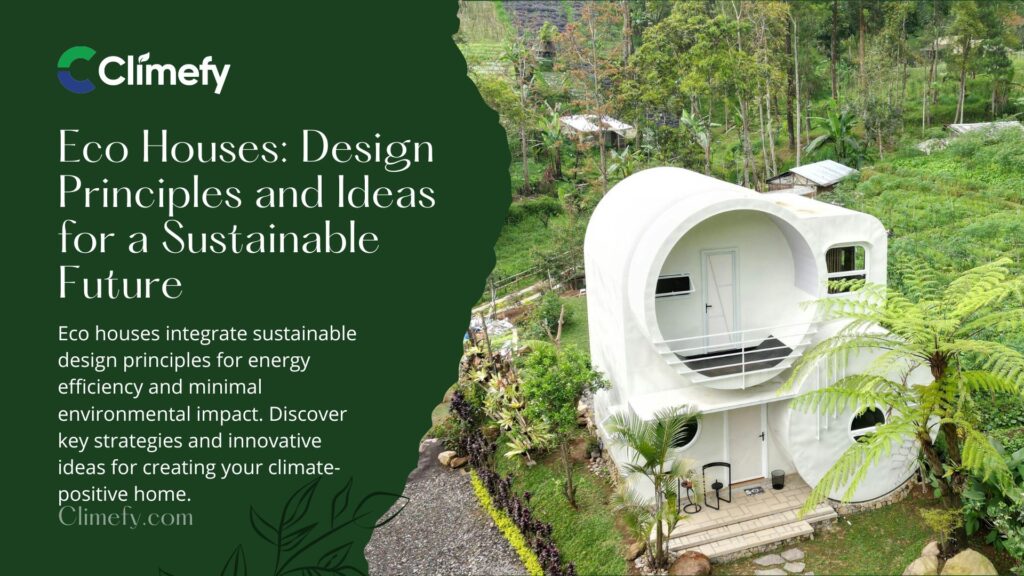
Eco house design is governed by a holistic set of principles aimed at minimizing environmental impact while maximizing occupant health, comfort, and connection to the natural world. It moves beyond simply adding a few green features; it is a fundamental rethinking of how a home is sited, built, operated, and eventually decommissioned.
The goal is to create a net-zero energy building, or even a positive-energy house that generates more power than it consumes, ultimately contributing to climate change mitigation. These principles are interconnected, each supporting the others to create a resilient, efficient, and low-impact dwelling.
The philosophy rests on several key pillars:
Here are the established facts and non-negotiable tenets of ecological design:
✔ Holistic Integration: True sustainability cannot be achieved through a single technology. It requires the integrated application of all principles from the initial design phase.
✔ Life-Cycle Assessment (LCA): Evaluating the environmental impact of a material or system from cradle-to-grave (or cradle-to-cradle) is essential for making informed choices.
✔ Bioclimatic Design: The architecture must respond directly to the local climate, using natural forces like sun, wind, and vegetation for heating, cooling, and lighting.
✔ Resilience and Adaptability: Eco houses should be designed to withstand climate extremes and be easily adaptable to changing needs or future technologies, ensuring longevity.
✔ Proof Through Performance: The success of an eco home design is measured by empirical data—actual energy consumption, water usage, and indoor environmental quality—not just design intent.
Passive solar design is the art and science of using a building’s architecture to collect, store, and distribute solar energy for heating and cooling without mechanical systems. It is one of the most cost-effective strategies for achieving energy efficiency in homes.
By thoughtfully considering a home’s orientation, window placement, thermal mass, and shading, you can harness the sun’s free energy to maintain a comfortable indoor temperature year-round, slashing reliance on fossil-fuel-powered HVAC systems. This approach is a fundamental component of passive house standards, which prioritize ultra-low energy demand through superior envelope performance and passive measures.
The effectiveness of a passive solar home hinges on five core elements:
Implementing passive design strategies involves several key considerations:
✔ Optimal Orientation: The long axis of the house should run east-west, with the majority of glazing on the true south facade to maximize winter sun exposure.
✔ Strategic Glazing: South-facing windows should be sized and positioned to capture low-angle winter sun. North-facing windows should be minimal to reduce heat loss. East and west glazing should be limited and carefully shaded due to difficult-to-control low-angle sun.
✔ High-Performance Windows: Even on the south side, windows must be high-quality, typically double or triple-glazed with low-emissivity (low-E) coatings and insulated frames to prevent nighttime heat loss.
✔ Interior Thermal Mass: Floors and walls located inside the insulated envelope and directly in the path of sunlight should be constructed of materials with high thermal mass. This mass absorbs heat during the day and releases it slowly at night.
✔ Seasonal Shading: Fixed roof overhangs should be calculated to fully shade south windows during the summer solstice when the sun is high, but allow full penetration during the winter solstice. Deciduous trees provide dynamic, natural shading.
By mastering these principles, an eco house can achieve up to 90% reductions in heating and cooling energy compared to a conventional home, making it a cornerstone of sustainable architecture and a critical step toward net-zero energy living.
For homeowners interested in quantifying the potential energy savings of such designs, understanding your baseline energy use is a great first step, which can be explored through tools like the carbon calculator for individuals offered by Climefy.
Selecting the right sustainable building materials is a critical decision that affects a home’s embodied carbon, indoor air quality, durability, and overall ecological footprint. The best materials are locally sourced, renewable or abundant, require minimal processing, are non-toxic, and contribute to a healthy living environment.
This moves away from conventional, high-emission materials like standard Portland cement and virgin plastics towards a palette of natural and recycled materials that define green building construction. The ideal eco house material balances performance, environmental impact, and aesthetic value.
Materials can be evaluated across several key criteria:
A comprehensive list of top-tier sustainable building materials includes:
✔ Straw Bale: An excellent, highly renewable insulator made from agricultural waste. When properly rendered, it creates walls with exceptional thermal performance (high R-value) and a unique aesthetic.
✔ Rammed Earth: A mix of damp subsoil compacted in forms to create massive, durable walls with high thermal mass, ideal for passive solar design. It regulates humidity and has a very low embodied energy if sourced on-site.
✔ Hempcrete: A biocomposite made from the woody core of the hemp plant mixed with a lime binder. It is lightweight, insulating, carbon-negative (sequesters CO2 as it cures), and regulates moisture.
✔ Reclaimed and Salvaged Wood: Giving old timber from barns, factories, or warehouses a new life prevents deforestation and adds character. It must be checked for structural integrity and contaminants.
✔ Cellulose Insulation: Made from recycled newspaper treated with borates for fire and pest resistance. It is an effective, affordable, and recycled-content insulation for walls and attics.
✔ Structural Insulated Panels (SIPs): Factory-made panels with an insulating foam core sandwiched between two structural facings (like OSB). They enable extremely airtight and well-insulated enclosures quickly.
✔ Natural Finishes: Paints, stains, and sealers made from plant oils, minerals, and natural pigments. These products are non-toxic, biodegradable, and contribute to healthy indoor air quality.
✔ Recycled Steel and Metal: For framing and roofing, recycled steel is incredibly strong, durable, and recyclable at the end of its life, supporting a circular economy.
Choosing these materials directly reduces a project’s environmental impact. For businesses in the construction or development sector looking to measure and mitigate the broader carbon impact of their projects, engaging with a service like Climefy’s ESG Consultancy can provide the strategic framework needed for comprehensive sustainability reporting and goal-setting.
While passive design slashes energy demand, fully powering a modern eco house typically requires the active generation of clean energy. Integrating renewable energy systems transforms a home from a consumer of resources into a producer, potentially achieving net-zero energy or energy-plus status.
The key is to first maximize efficiency, then meet the reduced demand with appropriately sized, site-specific renewable systems. This integration is the final, crucial step in creating a self-sufficient, climate-resilient home that disconnects from fossil fuel grids and volatile energy markets.
The most common and viable residential renewable systems are:
For a successful integration, consider these essential steps and technologies:
✔ Energy Audit First: Conduct a detailed energy audit to understand your home’s precise energy load profile after all efficiency measures are in place. This prevents oversizing expensive renewable systems.
✔ Hybrid Systems: Often, the most reliable solution combines technologies. For example, solar panels paired with a small wind turbine can provide more consistent year-round generation than either alone.
✔ Smart Inverters and Batteries: Modern inverters manage the flow of power between panels, batteries, and the grid. Home battery storage (like lithium-ion or newer iron-phosphate batteries) stores excess solar energy for use at night or during outages, increasing self-consumption and independence.
✔ Net Meterering: Where available, this policy allows homeowners to sell surplus electricity back to the grid, effectively using the grid as a “battery.” The financial return depends on local utility rates and regulations.
✔ System Sizing and Monitoring: Systems should be sized to meet annual demand, not peak instantaneous demand. Real-time energy monitoring systems help homeowners understand their production and consumption patterns, optimizing usage.
The journey to a renewable-powered home is a significant investment with long-term paybacks. For large organizations aiming to scale this principle across portfolios, precise tracking is vital. Tools like the carbon calculator for large organizations from Climefy can help measure the cumulative impact of such transitions, supporting strategic corporate sustainability goals.
Water is a precious and increasingly scarce resource. An eco house must address water use with the same rigor applied to energy. Water conservation and intelligent water management reduce strain on municipal supplies and treatment facilities, lower utility bills, and promote landscape resilience.
A comprehensive water strategy involves a hierarchy: first reduce demand through efficiency, then capture and reuse water on-site, and finally, treat and infiltrate any wastewater. This creates a semi-closed-loop system that mimics natural hydrological cycles, a key concept in regenerative design.
Effective water strategies encompass three main areas:
Key components and practices for a water-wise eco house include:
✔ Ultra-Low-Flow Fixtures: Installing faucets, showerheads, and toilets (especially dual-flush or composting models) that use a fraction of the water of standard models without sacrificing performance.
✔ Efficient Appliances: Choosing dishwashers and washing machines with the highest water efficiency ratings (e.g., ENERGY STAR).
✔ Rainwater Harvesting System: Consisting of catchment (roof), conveyance (gutters and downspouts), filtration (first-flush diverters and filters), storage (cisterns), and distribution (pumps). A well-sized system can supply a significant portion of a home’s non-potable water needs.
✔ Greywater Recycling System: Safely diverting water from bathroom sinks, showers, and washing machines to a treatment and storage tank for subsurface landscape irrigation. It requires biodegradable, non-toxic soaps and detergents.
✔ Drought-Tolerant Landscaping (Xeriscaping): Designing gardens with native and adapted plants that thrive on natural rainfall once established, eliminating the need for supplemental irrigation.
✔ Permeable Paving: Using porous materials for driveways and walkways allows stormwater to infiltrate the ground, replenishing groundwater and reducing runoff and erosion.
By implementing these strategies, an eco house can reduce municipal water consumption by 50% or more, turning the property into a water-responsible asset. For communities and businesses looking to implement large-scale solid waste management and water stewardship projects, platforms like the Climefy Marketplace offer opportunities to support verified initiatives that address these critical resource cycles.
Smart home technology and home automation are powerful allies in the quest for optimal energy efficiency and resource management in an eco house. While passive design and quality construction form the foundation, smart systems provide the dynamic, responsive intelligence to fine-tune performance in real-time based on occupancy, weather, and time of day.
They bridge the gap between a static building and the dynamic lives of its inhabitants, ensuring that energy and water are not wasted while maintaining superior comfort. This represents the digital evolution of sustainable living, creating a responsive, learning building ecosystem.
Smart technologies enhance sustainability across several domains:
Essential smart home features for an eco house include:
✔ Zoned HVAC Control: Smart systems allow different temperatures in different zones (e.g., bedrooms, living areas), heating or cooling only occupied spaces.
✔ Automated Blinds and Shades: Motorized shades can be programmed to close during peak summer sun to prevent overheating and open on winter days for solar gain, a dynamic extension of passive shading.
✔ Demand-Response Readiness: Some systems can interact with the utility grid, slightly adjusting thermostat settings during periods of peak demand to stabilize the grid and sometimes earn credits.
✔ Integrated Renewable Energy Management: Advanced systems can prioritize using stored battery power or direct solar generation to run high-load appliances, maximizing self-consumption of clean energy.
✔ Leak Detection Sensors: Placed under sinks, near water heaters, and on main supply lines, these sensors can alert homeowners to leaks immediately, preventing water waste and potential damage.
For companies developing products or services in the sustainability space, connecting them to consumers is crucial. Climefy’s Digital Integration Solutions allow businesses to seamlessly embed carbon tracking and offsetting options into their platforms, making sustainable choices an easy, automated part of the user experience, much like a smart home automates efficiency.
Indoor Environmental Quality (IEQ) is a measure of the health and comfort of a building’s interior. In an eco house, IEQ is not an afterthought but a primary design goal. A sustainable home must be a healthy home. Superior IEQ encompasses thermal comfort, acoustic comfort, visual comfort (lighting), and, most critically, indoor air quality.
Poor IEQ can lead to health issues like allergies, asthma, and sick building syndrome. Eco houses address this through careful material selection, proper ventilation, and design strategies that ensure a constant supply of fresh, clean air without energy penalties.
The pillars of exceptional Indoor Environmental Quality are:
Strategies to ensure optimal IEQ in an eco house:
✔ Mechanical Ventilation with Heat Recovery (MVHR): This is the gold standard for air quality in a tight, energy-efficient home. An MVHR unit continuously exhausts stale, moist air from kitchens and bathrooms while supplying fresh, filtered outdoor air to living areas and bedrooms. A heat exchanger transfers heat from the exhaust air to the incoming fresh air in winter (and vice versa in summer), recovering 80-95% of the temperature, providing fresh air without massive energy loss.
✔ Use of Non-Toxic, Low-VOC Materials: Specifying paints, adhesives, sealants, flooring, cabinetry, and furniture that do not off-gas harmful volatile organic compounds (VOCs) or formaldehyde.
✔ Natural and Low-Allergen Materials: Choosing finishes like natural clay plaster, solid wood, and stone that do not harbor dust mites or mold and can help regulate humidity.
✔ Advanced Filtration: Integrating high-efficiency particulate air (HEPA) or MERV-13+ filters into the ventilation system to remove pollen, dust, and even viruses from incoming air.
✔ Optimized Daylighting: Designing window placement and using features like light shelves to bounce natural light deep into interiors, reducing the need for artificial light and boosting occupant well-being.
✔ Radiant Floor Heating: Provides even, draft-free heat that doesn’t stir up dust and allergens like forced-air systems can.
Creating a home with superior IEQ is a direct investment in occupant health. For businesses, the health and productivity of employees in sustainable workspaces is a key metric.
Frameworks and guidance for achieving these healthy building standards are often part of comprehensive ESG Consultancy services, such as those offered by Climefy, which help align corporate properties with the highest wellness and sustainability benchmarks.
Navigating the world of green building certifications can be daunting, but these standards provide essential, third-party-verified roadmaps for achieving true sustainability. They offer structured frameworks, performance benchmarks, and credibility for eco house projects.
Adhering to a recognized standard ensures that environmental claims are substantiated and that the home performs as designed. For homeowners, certifications like LEED, Passive House, and the Living Building Challenge provide assurance of quality, efficiency, and health. For developers and builders, they demonstrate market differentiation and a commitment to climate-positive construction.
The most influential residential green building standards include:
Comparing key aspects of major standards:
| Standard | Primary Focus | Key Requirement | Verification Method |
|---|---|---|---|
| Passive House | Ultra-low energy demand, airtightness, comfort. | Specific heating/cooling demand & airtightness metrics. | Performance modeling & on-site pressure testing. |
| LEED for Homes | Holistic sustainability across multiple categories. | Earning points across various credit areas. | Documentation review & performance testing. |
| Living Building Challenge | Regenerative, net-positive impact in all areas. | Must achieve all assigned Imperatives (net-positive energy/water, etc.). | Extensive documentation & 12 months of performance data. |
| Net Zero Certification | Annual balance of energy production and consumption. | On-site renewables must meet 100% of energy demand. | Utility bills & production data over one full year. |
Choosing a standard depends on project goals, budget, and region. For project developers seeking to ensure their work meets the highest levels of integrity in the carbon market, aligning with rigorous protocols like the Climefy Verified Carbon Standard can provide the credibility needed for issuing high-quality carbon offsets from sustainable building projects.
The perception of eco houses as prohibitively expensive is a persistent myth. While upfront costs for premium materials, technologies, and specialized labor can be 5-20% higher than conventional construction, a true cost analysis must consider the life-cycle cost.
This includes not just construction, but also decades of operating expenses (energy, water, maintenance), which are drastically lower. Furthermore, numerous green building incentives, rebates, and financing options exist to bridge the initial investment gap. The long-term financial, environmental, and health benefits make sustainable homes a wise economic choice over their lifespan.
Breaking down the financial landscape:
The compelling long-term benefits of an eco house include:
✔ Radically Reduced Utility Bills: The most immediate and tangible financial return, providing insulation from rising energy prices.
✔ Increased Durability and Resilience: Higher-quality construction and materials lead to fewer repairs and better performance during extreme weather events.
✔ Enhanced Health and Productivity: Improved indoor air quality and comfort lead to fewer sick days, better sleep, and higher overall well-being, which has immense, though hard-to-quantify, value.
✔ Future-Proofing: As carbon taxes, stricter building codes, and climate risks increase, an efficient, resilient home will hold its value better than an energy-guzzling counterpart.
✔ Positive Environmental Impact: The intrinsic value of contributing to climate change mitigation, water conservation, and reduced pollution is a significant benefit for many homeowners.
For small and medium-sized companies looking to make their offices or operations more sustainable, understanding the financial case is key. Using a tool like the carbon calculator for small & medium companies from Climefy can help quantify current energy spend and model the savings potential from efficiency upgrades, building a clear business case for investment.
Embarking on the path to an eco house can begin from any starting point—whether you’re planning a custom new build, a renovation, or simply making your existing home greener. The journey is iterative and scalable. The most important step is to begin with informed intentionality.
Start by educating yourself, assessing your current impact, and defining your priorities and budget. Remember, even small, incremental changes contribute to a larger positive impact. The ultimate goal is progress, not perfection, moving steadily toward a lifestyle of sustainable living and reduced environmental footprint.
A practical, step-by-step guide to begin:
Immediate actions you can take today:
✔ Conduct a home energy audit (many utilities offer them for free or at low cost).
✔ Replace incandescent bulbs with LEDs.
✔ Install low-flow faucet aerators and showerheads.
✔ Seal obvious air leaks around windows, doors, and outlets.
✔ Start composting kitchen scraps to reduce waste.
✔ Calculate your footprint and explore offset options to take responsibility for your current impact.
The journey to an eco house is a profound commitment to a sustainable future. By integrating thoughtful design, innovative technology, and a deep respect for natural systems, we can create homes that nourish both their inhabitants and the planet.
For comprehensive guidance on making this transition at a corporate or institutional level, partnering with experts like those at Climefy can streamline the path to achieving net-zero and regenerative goals.
While the terms are often used interchangeably, “eco house” typically implies a deeper, more holistic approach. A green home might incorporate several sustainable features (e.g., energy-efficient appliances, recycled materials). An eco house is fundamentally designed from the ground up on ecological principles, aiming for minimal environmental impact across its entire lifecycle—from sourcing and construction to operation and end-of-life. It often targets rigorous performance standards like Net Zero Energy or Passive House.
The premium varies widely based on location, design, and standards targeted. A basic, thoughtful sustainable design might add 5-10% to construction costs. A home aiming for full Passive House or Net Zero Energy certification might see a 10-20% increase. Crucially, this higher initial cost is offset by drastically lower operating costs (60-90% lower energy bills), increased durability, and higher resale value, making it a sound long-term investment.
Absolutely. While a deep energy retrofit may be needed to reach the highest standards, significant improvements are always possible. Key steps include: a comprehensive energy audit, adding insulation (especially in the attic and walls where possible), sealing air leaks, upgrading to high-performance windows, replacing old appliances and HVAC systems with efficient models, installing low-flow fixtures, and adding renewable energy like solar panels. Every improvement counts.
If one must be chosen, it is the building envelope—the combination of super-insulation, extreme airtightness, and high-performance windows. This is the foundation. Without an excellent envelope, no amount of solar panels or fancy technology will be cost-effective or achieve deep energy savings. It’s the essential first step in the “efficiency first” mantra.
They require different maintenance, not necessarily more. Systems like Mechanical Ventilation with Heat Recovery (MVHR) require filter changes every 6-12 months. Solar panels need occasional cleaning. However, because they are built with durable, quality materials, they often have fewer issues related to moisture, mold, and structural decay. Understanding and maintaining the specialized systems is key to long-term performance.



![Air Capture Technology and Future [Ultimate Guide]](https://climefy.com/wp-content/uploads/2026/04/Air-Capture-Technology-and-Future-Ultimate-Guide-300x169.jpg)